


Editorial team · Furniture, Furnishings, Layout
 InfoWeb Marketplace · Editorial team
Published on 6 December 2019 · 3 min read
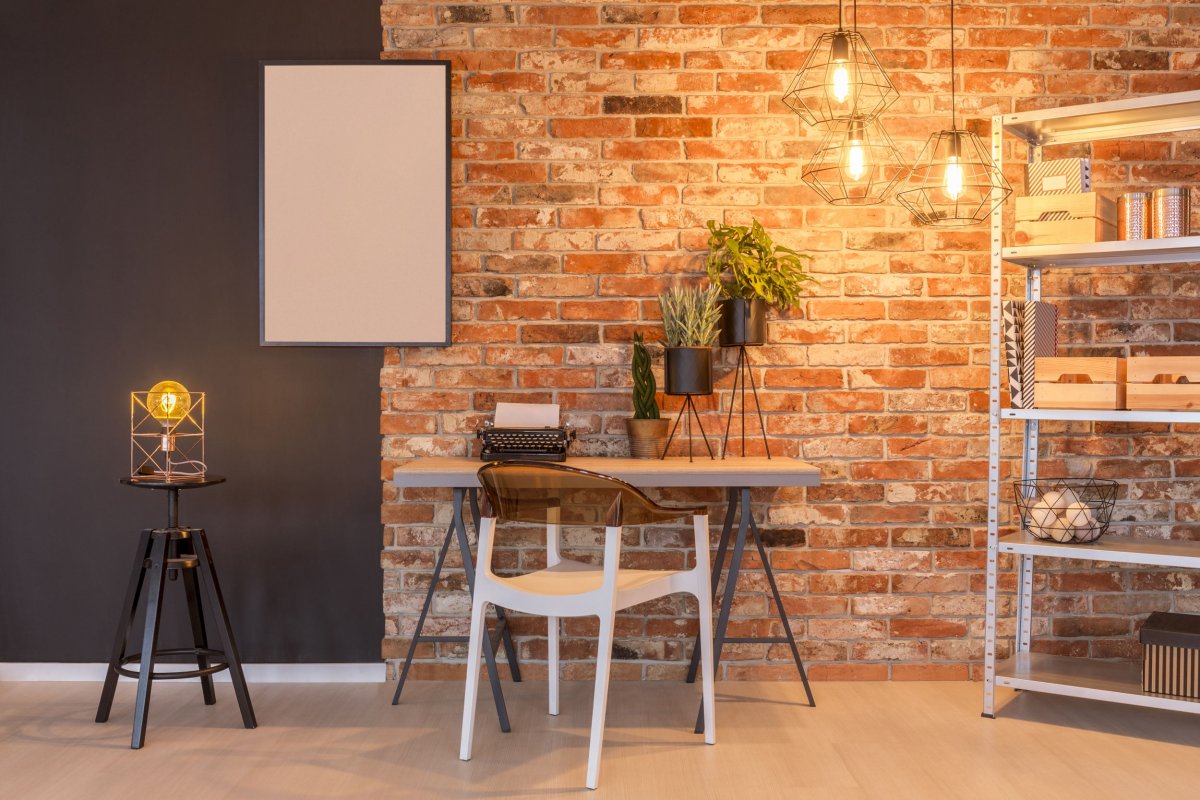
The loft is still popular today, nearly 70 years after this trend first appeared, with its large windows, pillars, beams, and exposed pipes and drainage pipes, as well as its generous open spaces with high ceilings and few partitions. The golden rule: the luxury of simplicity. These stripped-back spaces reveal the materials and the rough construction style of the past while adapting to the needs and technology of today's lifestyles. The result is a comfortable, warm and welcoming environment that retains all of its vintage essence.
Spaces are more understated than ever, and their beauty is matched only by their simplicity. The original construction materials and fixtures highlight the aesthetic and decorative presence of brick and cement walls. They also reveal the ironwork and wooden beams of the high ceilings, and the electrical and ventilation conduits, as well as the pipes and plumbing work that are left exposed. Everything is visible, there are no secrets!
When it comes to floors and walls, one of the most widely used materials is microcement, which offers an extremely practical surface that is easy to clean and maintain. Materials that imitate cement are fashionable. This is the case with the Orix color from Dekton® by Cosentino, whose aged gray cement look gives spaces a decadent, bohemian atmosphere that is entirely typical of industrial aesthetics. Understated materials are making a comeback in homes.
You do not need to live in a huge loft, because thanks to interior design techniques and architectural materials, the industrial look can be recreated in any home, by choosing elements with a substantial, striking appearance, in particular untreated wood, metal and also leather. For shelving, metal is always a safe bet, with structures reminiscent of those of old offices or those still commonly seen today in warehouses or storerooms.
Another key factor when choosing industrial-style furniture is upcycling, in other words recycling and creating new uses for old objects such as wooden pallets, table frames and benches. For example, salvaged reels can be used as the base of a table, and the machinery of an old elevator hung on the wall like a true sculpture. Any of these elements will greatly strengthen the personality of the place.
Walls can serve as a canvas; by playing with their textures, they can become a remarkable feature of our home. For example, exposed brick, cement and concrete walls are emblematic features of industrial style. Walls can be left unplastered or, to obtain a similar effect, covered with an industrial paint whose decorative effect will give them a worn appearance. Wallpaper or vinyl are another option. There are even innovative cladding products such as the Industrial collection from Dekton® by Cosentino, which gives surfaces a rusted look. Neutral tones dominate this decorative style. This is the case with the color Soke, ideal when seeking to recreate a classic cement floor, or Trilium, whose texture imitates volcanic rock with attractive touches of black and gray to produce a result with a very strong impact.
Industrial Style in Interior Design
InfoWeb Marketplace · Editorial teamPublished on 6 December 2019 · 3 min read
Industrial style was born in the 50s in America, when a large influx of artists (photographers, painters, sculptors and every kind of creative mind) left the centers of big cities for the suburbs. There, in search of light and space, they converted old factories into homes, creating open-plan, inspiring spaces in which creativity could be fully expressed. These open, connected environments offered an ideal setting for both working and living. Later, this trend spread to London and other European cities such as Paris and Prague, before becoming popular worldwide.
Advertisement
Industrial style reinvents itself but stays true to its origins
The loft is still popular today, nearly 70 years after this trend first appeared, with its large windows, pillars, beams, and exposed pipes and drainage pipes, as well as its generous open spaces with high ceilings and few partitions. The golden rule: the luxury of simplicity. These stripped-back spaces reveal the materials and the rough construction style of the past while adapting to the needs and technology of today's lifestyles. The result is a comfortable, warm and welcoming environment that retains all of its vintage essence.
A simple and authentic architectural style
Spaces are more understated than ever, and their beauty is matched only by their simplicity. The original construction materials and fixtures highlight the aesthetic and decorative presence of brick and cement walls. They also reveal the ironwork and wooden beams of the high ceilings, and the electrical and ventilation conduits, as well as the pipes and plumbing work that are left exposed. Everything is visible, there are no secrets!
When it comes to floors and walls, one of the most widely used materials is microcement, which offers an extremely practical surface that is easy to clean and maintain. Materials that imitate cement are fashionable. This is the case with the Orix color from Dekton® by Cosentino, whose aged gray cement look gives spaces a decadent, bohemian atmosphere that is entirely typical of industrial aesthetics. Understated materials are making a comeback in homes.
Decorating a space with character
You do not need to live in a huge loft, because thanks to interior design techniques and architectural materials, the industrial look can be recreated in any home, by choosing elements with a substantial, striking appearance, in particular untreated wood, metal and also leather. For shelving, metal is always a safe bet, with structures reminiscent of those of old offices or those still commonly seen today in warehouses or storerooms.
Another key factor when choosing industrial-style furniture is upcycling, in other words recycling and creating new uses for old objects such as wooden pallets, table frames and benches. For example, salvaged reels can be used as the base of a table, and the machinery of an old elevator hung on the wall like a true sculpture. Any of these elements will greatly strengthen the personality of the place.
Decorative materials and textures that evoke the era of industrial production
Walls can serve as a canvas; by playing with their textures, they can become a remarkable feature of our home. For example, exposed brick, cement and concrete walls are emblematic features of industrial style. Walls can be left unplastered or, to obtain a similar effect, covered with an industrial paint whose decorative effect will give them a worn appearance. Wallpaper or vinyl are another option. There are even innovative cladding products such as the Industrial collection from Dekton® by Cosentino, which gives surfaces a rusted look. Neutral tones dominate this decorative style. This is the case with the color Soke, ideal when seeking to recreate a classic cement floor, or Trilium, whose texture imitates volcanic rock with attractive touches of black and gray to produce a result with a very strong impact.